Massage therapy is one of the oldest tools in rehabilitation — and one of the most misunderstood. It isn’t just about feeling good for an hour. Applied clinically, it boosts recovery, restores flexibility, and helps muscles perform safely under load again.
After hard training or injury, tissues hold onto tension, swelling, and protective tightness. Skilled soft-tissue work increases local circulation, calms overactive muscles, and breaks the guarding cycle that keeps joints stiff and painful.
What clinical massage actually does
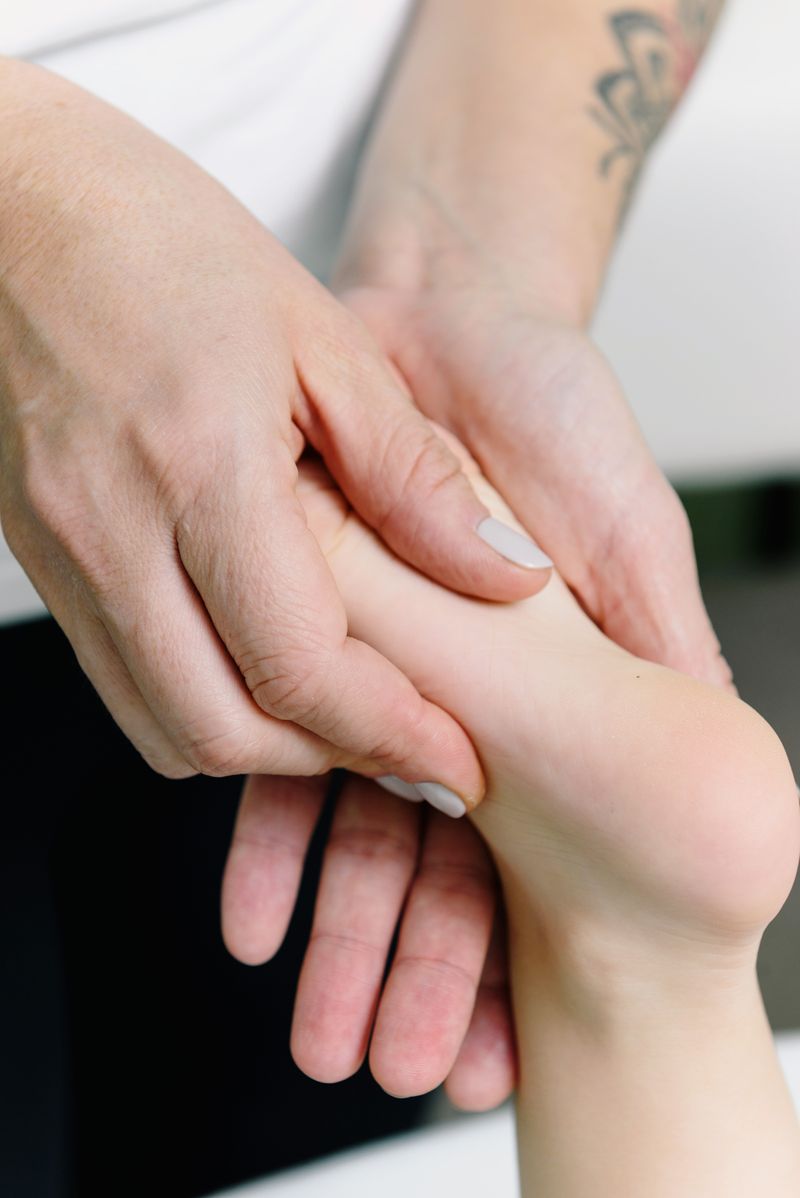
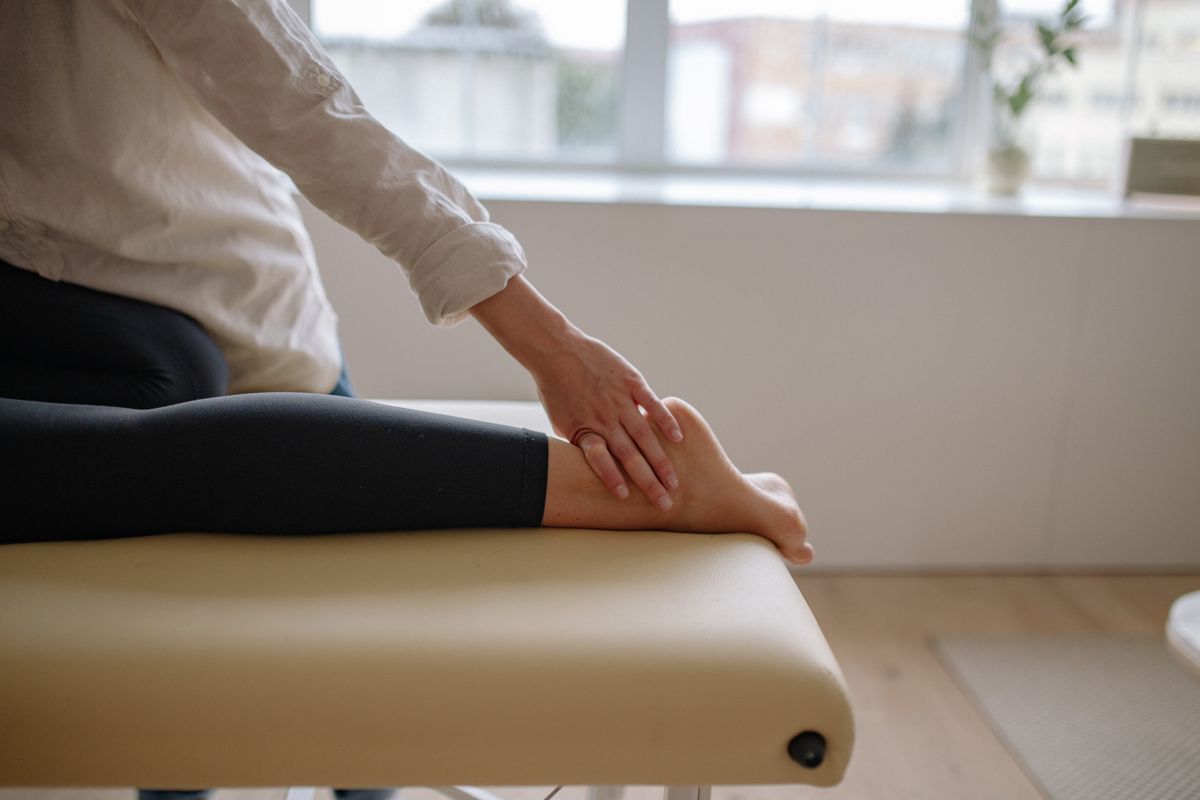
First, it accelerates waste clearance and blood flow around injured or overworked tissue, which is why legs feel lighter after treatment. Second, it restores glide between muscle layers and around scars, returning range of motion that stretching alone can’t reach. Third — and most underrated — it down-regulates a sensitized nervous system, so pain eases and movement feels safe again.
When to book (and when to skip)
Massage shines for post-training soreness, chronic tightness, tension headaches, and as a complement to an active rehab plan. Skip it over fresh fractures, infections, unexplained swelling, or blood-clot symptoms — and always tell your therapist about medications and conditions first.
At Stridewell, massage never stands alone: it’s woven into a plan with strength work and movement coaching, so the relief you feel on the table still holds on the field, at the desk, and on the stairs. That combination is what turns a good hour into a lasting recovery.